Why the Dance Floor Is the Heart of Every Party
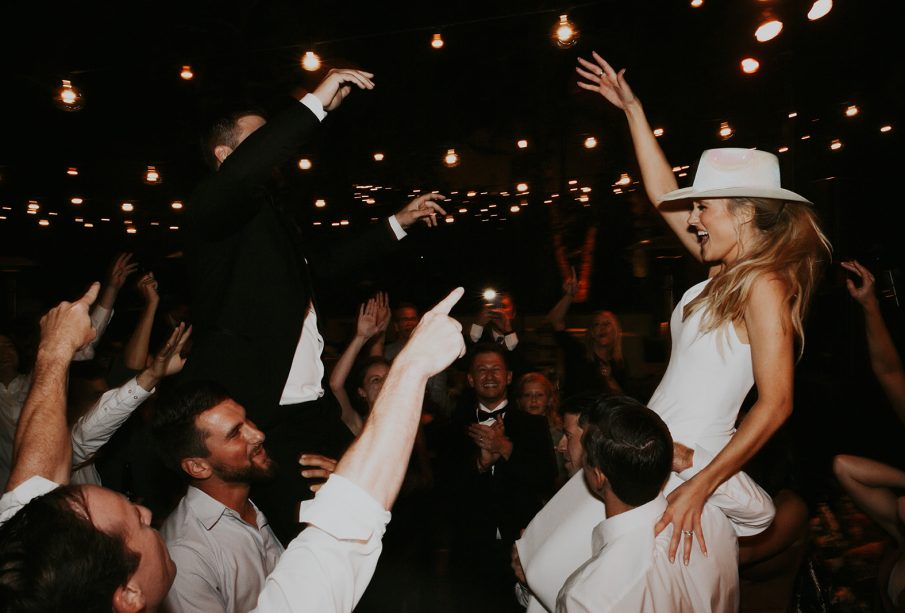
Every great party has one undeniable focal point: the dance floor. No matter the venue, culture, or occasion, it’s the space where energy peaks, barriers dissolve, and memories are made. While food and décor set the tone, the dance floor defines the soul of the celebration.
The Dance Floor Sets the Emotional Pulse
The moment people step onto the dance floor, the atmosphere changes. Music, movement, and shared rhythm create an emotional current that flows through the entire event.
The dance floor:
- Signals that the party has truly begun
- Transforms passive guests into active participants
- Elevates excitement and collective joy
When the dance floor is alive, the party feels alive.
Movement Creates Instant Connection
Dancing is a universal language. It allows people to connect without needing introductions, explanations, or perfect timing.
On the dance floor:
- Strangers move in sync without speaking
- Social boundaries fade naturally
- Laughter and shared rhythm replace awkwardness
This physical expression builds bonds faster than conversation ever could.
The Dance Floor Encourages Authentic Expression
Unlike other areas of a party, the dance floor is free from expectations. There’s no pressure to impress—only to feel the music.
People use the dance floor to:
- Express personality and mood
- Release stress and tension
- Let go of self-consciousness
That freedom creates an environment where authenticity thrives.
Energy on the Dance Floor Spreads Everywhere
A full dance floor has a ripple effect. Even guests who aren’t dancing feel the shift in mood.
Strong dance floor energy:
- Boosts overall party engagement
- Draws people out of their comfort zones
- Keeps the celebration going longer
It becomes the engine that powers the entire event.
The Role of Music in Shaping the Dance Floor
Music is the fuel, but the dance floor is where it comes to life. The right tracks don’t just fill silence—they invite participation.
A successful dance floor depends on:
- Rhythms that encourage movement
- Familiar songs that spark confidence
- Dynamic pacing that maintains momentum
When music and movement align, the dance floor becomes magnetic.
A Space Where Memories Are Made
Most unforgettable party moments happen on the dance floor—group sing-alongs, spontaneous routines, and shared laughter.
These moments stand out because they are:
- Emotional rather than scripted
- Shared rather than observed
- Felt rather than planned
Long after the party ends, it’s the dance floor moments people remember most.
Inclusive by Nature
One of the dance floor’s greatest strengths is its inclusivity. There’s no right way to dance, no dress code, and no skill requirement.
It welcomes:
- All ages
- All cultures
- All levels of confidence
This openness turns the dance floor into a rare space where everyone belongs.
Why Parties Feel Incomplete Without It
A party without a dance floor often feels static. Conversation alone rarely sustains energy for long periods.
The dance floor:
- Breaks routine
- Reignites excitement
- Keeps guests emotionally engaged
Without it, the celebration lacks a true heartbeat.
The Dance Floor as a Social Equalizer
On the dance floor, titles, roles, and social status disappear. Everyone becomes part of the same rhythm.
This equality:
- Encourages interaction across groups
- Reduces social pressure
- Creates a shared sense of unity
It’s one of the few spaces where people truly meet on equal ground.
Why the Dance Floor Will Always Matter
Trends in parties may change, but the importance of the dance floor remains constant. It fulfills a basic human need—to move, to connect, and to celebrate together.
As long as people gather to celebrate, the dance floor will remain the heart of every party.
Frequently Asked Questions (FAQs)
1. Why do people feel more comfortable socializing on the dance floor?
Because movement reduces self-consciousness and shifts focus away from conversation-based pressure.
2. Does the size of the dance floor affect party energy?
Yes, a well-sized dance floor encourages participation and prevents the space from feeling empty or crowded.
3. Can a party succeed without dancing?
It can, but dancing significantly increases emotional engagement and shared enjoyment.
4. Why do people remember dance floor moments more clearly?
They are tied to strong emotions, music, and physical movement, which enhance memory retention.
5. How does dancing influence group dynamics at a party?
It blends different social groups together, encouraging interaction that might not happen otherwise.
6. Is dancing important even for formal events?
Absolutely. Dancing adds warmth and energy, balancing structure with celebration.
7. What makes a dance floor inviting to guests?
Good music, visible participation, proper lighting, and an atmosphere free of judgment.