Why Disco Culture Still Rules the Nightlife Scene
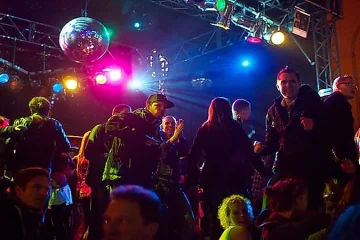
Disco culture refuses to fade quietly into history. Decades after its peak, the sound, style, and spirit of disco continue to dominate nightlife across generations. From packed dance floors to fashion-forward club aesthetics, disco remains a powerful force that shapes how people experience nights out.
What makes this genre so enduring isn’t nostalgia alone—it’s the way disco consistently delivers connection, freedom, and joy in spaces designed for collective celebration.
The Timeless Appeal of Disco Music
Disco music was engineered for movement. Its steady four-on-the-floor beats, rich basslines, and soaring vocals create an irresistible rhythm that pulls people onto the dance floor without effort.
Key reasons disco music still works:
- Universally danceable tempo that suits beginners and seasoned dancers alike
- Emotion-driven melodies that uplift moods instantly
- Simple, infectious hooks that cross language and cultural barriers
In nightlife settings where energy matters more than complexity, disco’s structure remains unbeatable.
Disco as a Culture of Inclusion
One of disco’s most lasting legacies is its role as a safe and inclusive space. From its earliest days, disco clubs welcomed people of different backgrounds, identities, and orientations, fostering an environment built on expression rather than exclusion.
This ethos still resonates today:
- Dance floors emphasize freedom over performance
- Self-expression is encouraged through music, fashion, and movement
- The atmosphere prioritizes unity rather than status
Modern nightlife increasingly mirrors these values, making disco culture feel remarkably current.
Fashion, Lights, and Visual Spectacle
Disco was never just about sound—it was a full sensory experience. Glittering mirror balls, neon lighting, and bold outfits transformed clubs into immersive worlds.
Elements that still dominate nightlife design:
- Reflective surfaces that amplify light and movement
- Dramatic lighting synced with rhythm
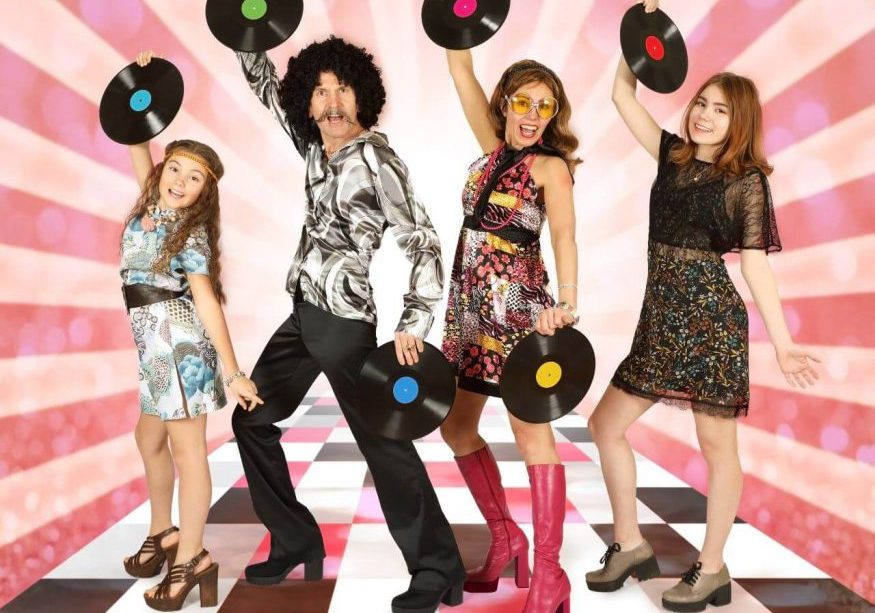
- Fashion inspired by retro glamour and bold individuality
Even contemporary clubs often borrow disco’s visual language to heighten energy and create memorable nights.
Disco’s Influence on Modern Genres
Disco didn’t disappear—it evolved. Its DNA runs through modern house, dance-pop, nu-disco, and electronic music. DJs regularly blend disco classics with contemporary tracks, creating sets that feel both fresh and familiar.
This continuity keeps disco relevant by:
- Allowing seamless transitions between eras
- Appealing to both older audiences and younger clubgoers
- Reinforcing disco as a foundation, not a trend
The result is a sound that feels timeless rather than dated.
The Social Power of the Dance Floor
Disco thrives because it transforms nightlife into a shared experience. Unlike scenes centered on exclusivity or passive listening, disco invites participation. Strangers dance together, barriers dissolve, and the night becomes collective rather than individual.
This social energy is why disco nights often feel:
- More welcoming
- Less intimidating
- Emotionally memorable
In an era dominated by digital interaction, disco offers something increasingly rare—real human connection.
Nostalgia That Feels Alive
While disco carries strong nostalgic appeal, it avoids feeling trapped in the past. Each generation reinvents it through updated sounds, remixed classics, and modern club environments.
Rather than replaying history, disco culture:
- Honors its roots while embracing innovation
- Adapts to changing social and musical tastes
- Continues to feel celebratory rather than retrospective
That balance keeps disco vibrant instead of archival.
Why Nightlife Keeps Coming Back to Disco
Nightlife trends rise and fall, but disco remains a constant reference point. When clubs want guaranteed energy, inclusivity, and joy, disco delivers without fail.
Its staying power comes from:
- Dance-first philosophy
- Emotionally uplifting sound
- Community-driven atmosphere
Disco doesn’t compete with nightlife—it defines it.
Frequently Asked Questions
Why does disco music still attract younger audiences?
Because its rhythm-driven structure and uplifting vibe translate easily into modern club environments, even for listeners who didn’t grow up with it.
Is disco only popular in themed nights?
No. Disco elements are frequently integrated into mainstream DJ sets, modern dance tracks, and club aesthetics year-round.
How is disco different from other dance genres?
Disco prioritizes melody, groove, and emotional warmth over aggressive drops or complex production.
Does disco culture influence club fashion today?
Yes. Bold colors, retro silhouettes, and expressive styles continue to draw inspiration from disco-era fashion.
Can disco coexist with electronic and house music?
Absolutely. Disco is one of the foundational influences behind house and electronic dance music.
Why do disco nights feel more social than other club events?
Because the music encourages collective movement and removes pressure around performance or exclusivity.
Will disco ever stop being relevant in nightlife?
Unlikely. As long as people seek joy, connection, and dance-driven experiences, disco will remain a nightlife staple.