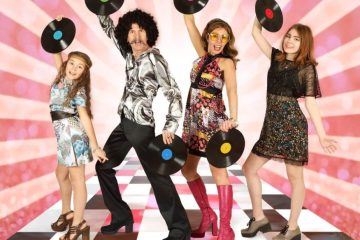
How Disco Music Transformed Clubbing Forever

Disco music didn’t just dominate charts—it redefined how people experience nightlife. Long before clubbing became a global lifestyle, disco reshaped dance floors, DJ culture, fashion, and social norms. Its influence still pulses through modern clubs, proving that disco was not a passing phase but a cultural reset.
Clubbing Before Disco: A Different World
Before disco’s rise, nightlife spaces were fragmented and often exclusive. Music varied by venue, live bands were common, and dancing wasn’t always the main focus. Disco changed that by centering the entire clubbing experience around rhythm, movement, and atmosphere.
What shifted dramatically:
- DJs became central figures instead of background entertainers
- Dance floors expanded to accommodate continuous movement
- Music selection focused on energy flow rather than individual songs
This transformation laid the groundwork for modern club culture.
The Birth of the DJ-Led Dance Floor
Disco elevated the DJ from a record operator to a nightlife architect. Seamless mixing allowed uninterrupted dancing, creating an immersive experience that kept crowds engaged for hours.
This innovation introduced:
- Beat-matching and extended dance mixes
- Emotional pacing of the night through curated sets
- A stronger connection between DJ and audience
Today’s club DJs still rely on principles born during the disco era.
Disco and the Rise of Dance-First Nightlife
Disco shifted clubbing away from passive listening toward active participation. The music demanded movement, turning the dance floor into the heart of the venue rather than a side feature.
This dance-first mindset led to:
- Purpose-built floors with enhanced sound systems
- Lighting designed to amplify motion and mood
- Crowds interacting through shared rhythm
Modern clubbing remains rooted in this physical, communal energy.
Sound Systems, Lights, and Immersive Design
Disco pushed clubs to invest in technology that could match the music’s intensity. Powerful speakers, synchronized lighting, and visual effects became essential rather than optional.
Key design changes included:
- Deep bass systems tuned for continuous beats
- Mirror balls and moving lights that reflected crowd motion
- Environments designed to feel immersive, not static
These innovations became permanent standards in nightlife spaces worldwide.
Fashion as Part of the Club Experience
Disco blurred the line between music and self-expression. Clubbing became a visual statement, where outfits were bold, expressive, and unapologetic.
Disco-influenced fashion encouraged:
- Individuality over conformity
- Glamour that matched the energy of the dance floor
- Clothing designed for movement and visibility
Today’s club fashion still echoes this idea that style is part of the experience.
Social Freedom and Cultural Impact
Beyond sound and style, disco transformed the social fabric of clubbing. It created environments where people felt free to express identity without judgment, making nightlife more inclusive and emotionally open.
This cultural shift:
- Encouraged diversity on the dance floor
- Reduced barriers tied to background or status
- Positioned clubs as spaces of shared liberation
Many modern nightlife values trace directly back to this disco-driven mindset.
Disco’s Blueprint for Modern Club Culture
While music trends evolve, the structure of clubbing remains deeply influenced by disco. Continuous DJ sets, dance-centric layouts, immersive lighting, and inclusive atmospheres all stem from its legacy.
Disco didn’t just shape a genre—it designed the modern night out.
Frequently Asked Questions
How did disco change the role of DJs in clubs?
It transformed DJs into curators who control the emotional and rhythmic flow of the entire night.
Why was disco important for dance culture?
Disco made dancing the primary purpose of clubbing rather than a secondary activity.
Did disco influence club technology?
Yes, it accelerated the use of advanced sound systems, lighting effects, and extended mixes.
How did disco affect social dynamics in clubs?
It promoted inclusivity, freedom of expression, and collective participation on the dance floor.
Is modern clubbing possible without disco’s influence?
Unlikely, as core elements like DJ-led sets and dance-first design originated from disco culture.
Why do disco-inspired nights still feel energetic?
Because disco’s structure prioritizes rhythm, movement, and emotional uplift.
Has disco’s impact faded over time?
No. Its influence remains embedded in how clubs operate, sound, and feel today.