Exploring the Connection Between Gallery Music and Music Photography

Music has always been more than just sound. It represents emotion, creativity, and cultural identity. While audiences often experience music through performances and recordings, visual imagery plays an equally important role in shaping how artists and moments in music history are remembered. The relationship between gallery music exhibitions and music photography highlights how powerful images can capture the spirit of music and transform it into visual art.
Today, photography galleries around the world display images of musicians, concerts, and cultural movements, allowing fans and art enthusiasts to experience music in a completely different way.
The Role of Photography in Music Culture
Photography has long been connected to the music industry. From album covers and promotional materials to magazine features and concert documentation, photographers have helped define how artists are visually represented.
Through music photography, photographers capture the personality, style, and energy of musicians. These images often become part of an artist’s identity and influence how audiences connect with their music.
When displayed in a gallery music setting, these photographs are elevated from promotional images to works of art that document musical history.
What Is a Gallery Music Experience
A gallery music exhibition typically showcases photographs and visual art inspired by music culture. These galleries may feature portraits of famous artists, behind the scenes moments, or powerful live performance images.
Unlike digital images viewed online, seeing music photography displayed in a gallery allows viewers to experience the scale, detail, and emotion of each photograph. The environment encourages visitors to reflect on the stories behind the images.
Many music photography exhibitions also include historical context, helping viewers understand the significance of the captured moment.
Live Performance Photography in Galleries
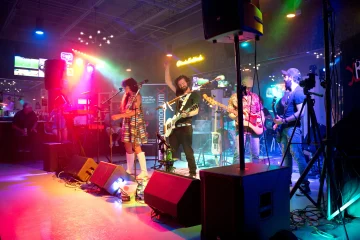
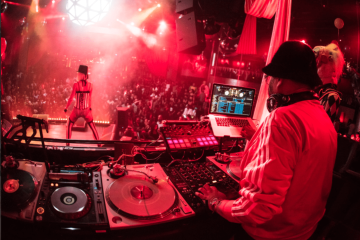
Concert photography is one of the most exciting forms of music photography. These images capture the intensity and energy of live performances, freezing moments that last only seconds on stage.
Photographers working in live environments must adapt to changing lighting, movement, and crowd dynamics. The result is often dramatic imagery that reflects the passion and connection between artists and audiences.
In a gallery music exhibition, large prints of concert images allow viewers to feel the power of those performances long after the event has ended.
Portrait Photography of Musicians
Studio portraits are another essential part of music photography galleries. These images are often carefully composed to reflect an artist’s personality and artistic style.
Portrait based music photography may involve dramatic lighting, creative backgrounds, or minimalistic compositions that highlight the artist’s expression. These portraits often become iconic representations of musicians and their work.
When displayed in a gallery music environment, these portraits allow viewers to appreciate the artistic collaboration between photographer and musician.
Behind the Scenes Moments
Some of the most compelling photographs in music galleries capture moments away from the spotlight. Backstage images reveal artists preparing for performances, interacting with band members, or reflecting quietly before stepping on stage.
These candid moments add depth to music photography collections by showing the human side of musicians. A gallery music exhibition often includes these intimate images to create a more complete narrative of the artist’s journey.
Behind the scenes photography reminds audiences that music is created through dedication, emotion, and countless unseen moments.
Black and White Music Photography
Black and white photography has played an important role in documenting music history. Removing color allows viewers to focus on emotion, texture, and contrast.
Many gallery music exhibitions feature black and white photographs because they create a timeless aesthetic. These images often highlight facial expressions, body language, and lighting in ways that emphasize artistic storytelling.
In music photography, black and white images frequently evoke nostalgia and authenticity, making them particularly powerful in gallery settings.
Music Photography as Cultural Documentation
Beyond artistic value, music photography serves as an important historical record. Photographers document moments that shape cultural movements, social change, and artistic innovation.
Through music photography, viewers can see how music styles, fashion trends, and performance styles evolved over time. A gallery music exhibition may showcase images from different decades, illustrating the transformation of music culture.
These photographs help preserve the legacy of artists and movements that influenced generations.
Collecting Music Photography as Art
As music photography gains recognition as fine art, collectors are increasingly interested in acquiring prints from galleries. Limited edition prints and signed photographs can hold both artistic and historical value.
Collectors often seek images that represent significant moments in music history. A gallery music exhibition may offer collectors the opportunity to purchase prints that capture iconic performances or legendary musicians.
Owning a piece of music photography allows fans and art collectors to bring a piece of music history into their homes.
The Digital Age and Music Photography
Technology has changed how music photography is shared and experienced. Social media and digital platforms allow photographers to distribute images instantly to audiences around the world.
Despite this shift, physical galleries remain important spaces for appreciating photography as art. A gallery music environment allows viewers to experience the scale and detail of images in ways that digital screens cannot replicate.
Many photographers continue to exhibit their music photography in galleries to preserve the tactile and immersive experience of viewing fine art prints.
Why Gallery Music and Music Photography Matter
Music photography captures moments that might otherwise fade into memory. When displayed in galleries, these images become lasting visual representations of creativity, passion, and cultural influence.
Through gallery music exhibitions and carefully curated music photography collections, audiences can experience music through a visual lens. These images celebrate the connection between sound and imagery while preserving the stories behind the artists who shape the music we love.
As music continues to evolve, photography will remain an essential medium for documenting its history and sharing its spirit with future generations.