Why Nightclubs Are More Than Just Music and Drinks
At first glance, nightclubs may seem like simple venues built around loud music and flowing drinks. In reality, nightclubs function as complex social ecosystems where culture, connection, and self-expression intersect. They are places where people don’t just listen to music—they experience belonging, release, and human interaction in its most dynamic form.
Nightclubs as Modern Social Spaces
Nightclubs have evolved into intentional gathering environments designed to bring people together. Unlike casual bars or lounges, clubs create an immersive atmosphere that encourages participation.
They offer:
- A shared sensory experience
- Opportunities for spontaneous interaction
- A space where social rules feel more relaxed
This makes nightclubs natural hubs for connection and community.
Music as a Social Catalyst
Music in a nightclub does more than entertain—it drives collective energy. A strong beat unifies the crowd, synchronizing movement and emotion.
Music helps:
- Break social barriers
- Create shared emotional highs
- Encourage group participation
Even strangers feel connected when they move to the same rhythm.
The Power of the Dance Floor
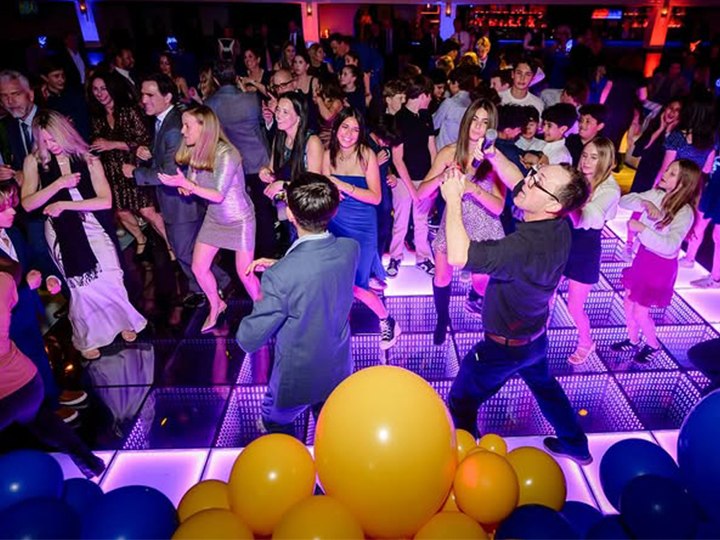
The dance floor is the emotional center of any nightclub. It’s where self-consciousness fades and expression takes over.
On the dance floor:
- People communicate without words
- Confidence grows through movement
- Social differences disappear
It becomes a space where connection feels effortless and genuine.
A Safe Space for Self-Expression
Nightclubs often serve as judgment-free environments where people feel free to be themselves. Fashion, dance styles, and identity are embraced rather than scrutinized.
This freedom:
- Encourages authenticity
- Builds confidence
- Attracts diverse communities
For many, nightclubs are places where they feel most comfortable expressing who they are.
Social Bonding Beyond Conversation
Conversation isn’t always the main form of connection in nightclubs. Instead, bonding happens through shared experiences.
Connections form through:
- Dancing together
- Reacting to the same song drop
- Sharing moments of excitement
These non-verbal interactions often feel more meaningful than small talk.
Nightclubs and Cultural Influence
Nightclubs play a significant role in shaping music trends, fashion, and social movements. Many genres and styles gain momentum within club culture before reaching mainstream audiences.
They act as:
- Testing grounds for new sounds
- Cultural incubators
- Platforms for creative expression
This influence extends far beyond the club walls.
Emotional Release and Mental Reset
For many people, nightclubs provide an outlet for emotional release. The combination of music, movement, and social energy helps people disconnect from daily stress.
Nightclubs offer:
- A break from routine
- Emotional catharsis through dance
- A sense of freedom and renewal
This emotional reset is a major reason people keep returning.
Building Temporary Communities
Every nightclub night creates a temporary community—a group of people sharing the same space, energy, and moment.
These short-lived communities:
- Foster a sense of belonging
- Encourage openness
- Make strangers feel connected
Even brief interactions can leave lasting impressions.
Why Nightclubs Remain Relevant
Despite changes in entertainment and social habits, nightclubs continue to thrive because they fulfill a basic human need: connection through shared experience.
They combine:
- Music and movement
- Individual expression and group energy
- Escape and connection
This balance keeps nightclubs socially relevant across generations.
Frequently Asked Questions (FAQs)
1. Why do nightclubs feel more socially engaging than bars?
Because music, lighting, and movement create immersive environments that encourage participation.
2. Are nightclubs only for extroverted people?
No. Many introverts enjoy nightclubs because connection doesn’t rely heavily on conversation.
3. How do nightclubs influence social confidence?
They provide spaces where self-expression is normalized, helping people feel more confident.
4. Do nightclubs contribute to local culture?
Yes. They often shape music trends, nightlife identity, and creative communities.
5. Why do people feel emotionally refreshed after a night out?
Dancing and shared enjoyment release stress and promote positive emotions.
6. Can meaningful connections form in nightclubs?
Absolutely. Shared experiences often create strong, memorable bonds.
7. Why do people return to the same nightclub regularly?
Familiar energy, community feeling, and emotional comfort keep people coming back.