How Music and Fun Create Strong Social Connections
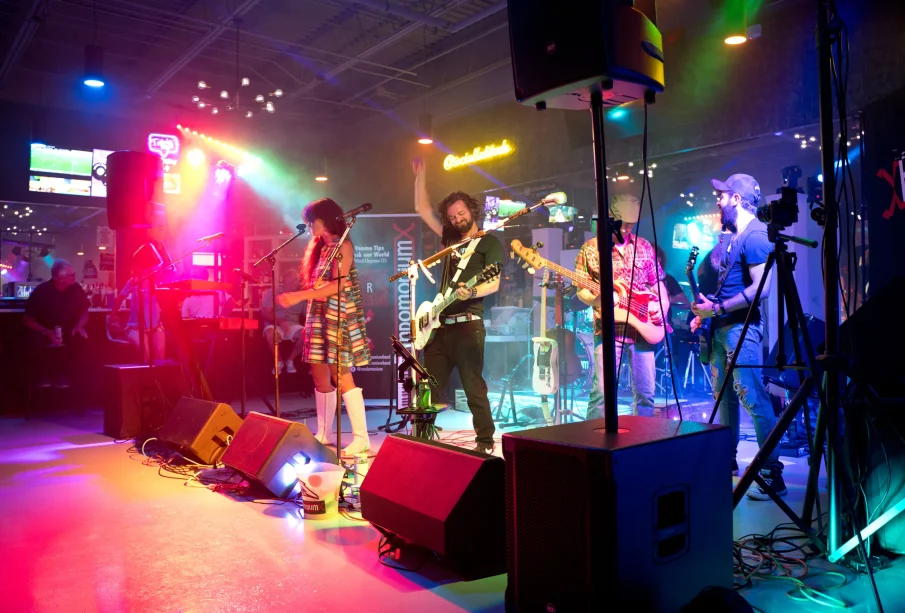
Human beings are naturally wired for connection, and music paired with fun is one of the most powerful catalysts for building social bonds. Across cultures, ages, and backgrounds, shared musical experiences bring people together in ways few other activities can. Whether it’s dancing, singing, or simply enjoying a rhythm together, music transforms social interaction into something deeper and more lasting.
Music as a Universal Social Language
Music communicates emotion without requiring words. It allows people to connect instantly, even when they come from different cultures or speak different languages.
Music strengthens social interaction by:
- Creating shared emotional experiences
- Reducing social anxiety and awkwardness
- Helping people feel understood without explanation
This universality makes music an ideal foundation for meaningful connections.
Fun Lowers Barriers and Builds Trust
Fun changes how people interact. When enjoyment is present, defenses drop and authenticity rises.
Music-driven fun encourages:
- Openness and vulnerability
- Natural laughter and shared joy
- Faster trust between individuals
When people associate others with positive emotions, relationships form more easily and feel stronger.
Shared Experiences Strengthen Bonds
Listening to or participating in music together creates memories that feel personal, even when shared in a group.
These shared moments:
- Give people common stories to remember
- Create emotional reference points
- Strengthen long-term social ties
A song enjoyed together often becomes a symbol of that relationship.
Rhythm and Movement Create Synchronization
When people move to the same beat, something subtle but powerful happens. Their actions begin to align, both physically and emotionally.
This synchronization:
- Enhances feelings of unity
- Encourages cooperation and empathy
- Makes people feel more connected on a subconscious level
Dancing or clapping together builds connection without requiring conversation.
Music Creates Safe Spaces for Expression
Fun music environments are often judgment-free zones where people feel comfortable being themselves.
These spaces allow individuals to:
- Express emotions openly
- Show personality through movement or singing
- Connect without fear of criticism
When self-expression feels safe, social connections grow naturally.
Emotional Amplification Through Music
Music intensifies emotions, making moments feel richer and more meaningful.
When paired with fun, music:
- Turns ordinary gatherings into memorable experiences
- Deepens emotional impact
- Strengthens interpersonal bonds through shared feeling
Emotionally charged experiences are more likely to result in lasting relationships.
Music and Fun in Group Identity Formation
Groups often form around shared musical tastes and experiences. Enjoying the same kind of music creates a sense of belonging.
This shared identity:
- Reinforces group cohesion
- Encourages repeated interaction
- Builds community over time
Music becomes a social anchor that keeps people connected beyond a single moment.
Digital Age, Real Connection
In a world dominated by screens, music-based fun brings people back to real, physical interaction.
It provides:
- Relief from digital fatigue
- Opportunities for face-to-face bonding
- A reminder of shared human experience
Music and fun reconnect people to each other in authentic ways.
Why Music-Based Fun Builds Lasting Relationships
Relationships built through enjoyment tend to last longer. Music creates emotional depth, while fun adds positivity.
Together, they:
- Make connections feel effortless
- Encourage ongoing interaction
- Turn acquaintances into friends
It’s not just about hearing music—it’s about experiencing it together.
Frequently Asked Questions (FAQs)
1. Why does music help people bond faster than conversation alone?
Music triggers shared emotions, making people feel connected without needing extensive dialogue.
2. Can music-based fun help people who are socially anxious?
Yes, it shifts focus away from direct interaction and creates a relaxed, welcoming environment.
3. Does musical preference affect social connection?
Shared musical tastes can strengthen bonds, but openness to new music also encourages connection.
4. How does group music activity influence teamwork?
It improves cooperation, empathy, and mutual understanding through shared rhythm and enjoyment.
5. Are music-based social connections long-lasting?
They often are, because they’re rooted in positive emotions and shared memories.
6. Can music help bridge cultural differences?
Absolutely. Music transcends language and cultural barriers, making connection easier.
7. Why do people feel closer after dancing or singing together?
Because synchronized movement and shared emotional expression create a strong sense of unity.